
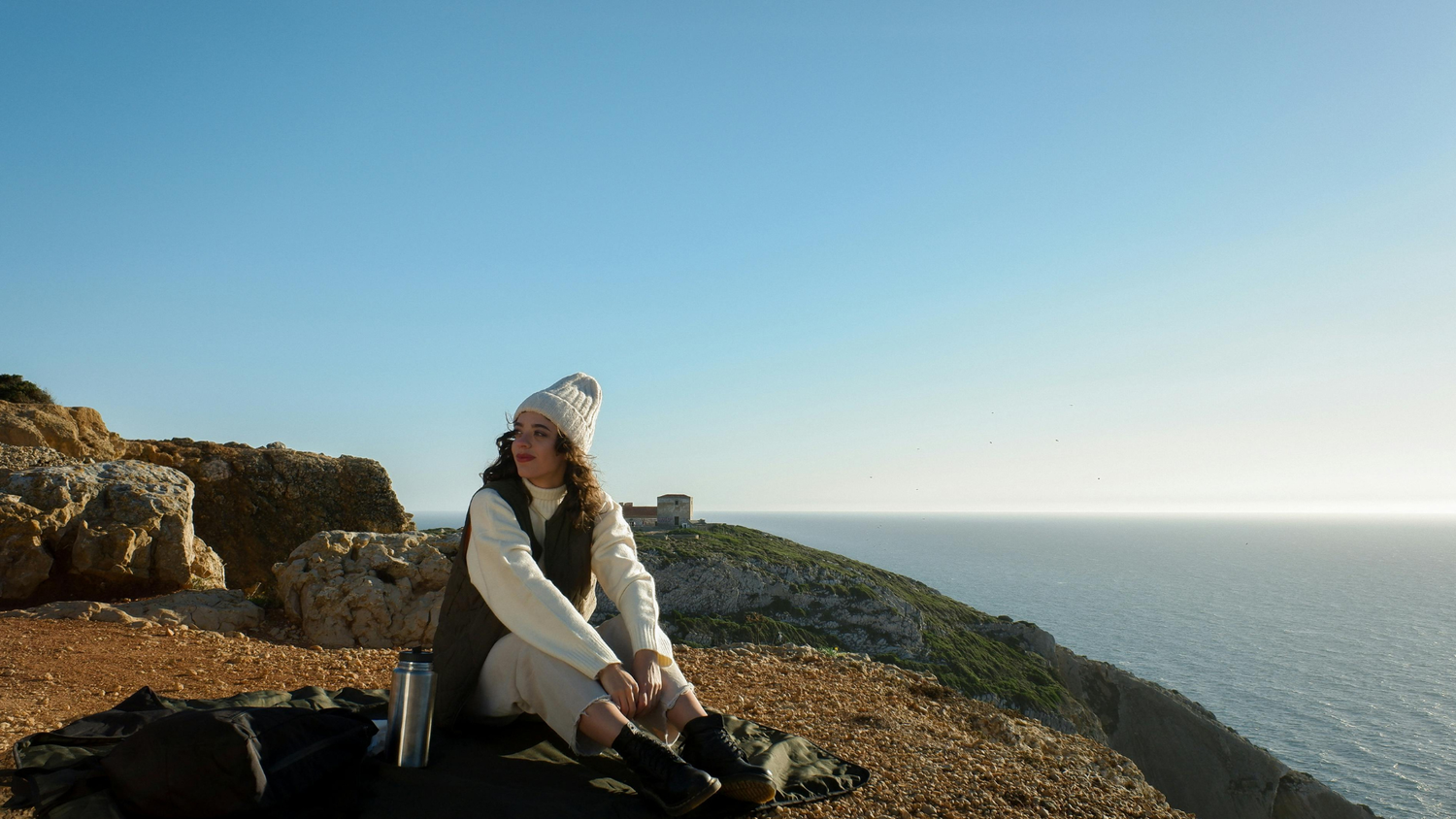
Travelling solo gives you the freedom to explore the world on your own terms, but it also needs thoughtful preparation and smart decision-making. Whether you're going on your first solo adventure or refining your approach after previous trips, the right strategies can transform your journey from nerve-wracking to liberating. These practical solo travel tips will help you navigate unfamiliar destinations with confidence, stay safe, and make genuine connections along the way. From choosing the perfect first-night accommodation to packing the right accessories, each tip is designed to simplify your experience and maximise your enjoyment.
1. Book Your First Night Somewhere Easy
Your arrival accommodation sets the tone for your entire trip. After hours of flying, navigating customs, and managing travel fatigue, the last thing you need is uncertainty about where you'll sleep.
Choose accommodation with these essential features:
Located within 30 minutes of the airport or main transport hub
24-hour reception for flexible arrival times
Solid reviews from verified solo travellers (check platforms like TripAdvisor for specific solo experiences)
Common areas where you can meet other travellers if desired
Secure storage for valuables
The first night isn't about finding the perfect location in the city centre. It's about arriving somewhere reliable where you can decompress, adjust to the time zone, and plan your next moves without pressure.
Once you've had a proper sleep and oriented yourself, you can move to a more centrally located spot that better suits your itinerary. This two-step approach removes the stress of navigating an unfamiliar city while exhausted.
2. Master the Locals Walk Before Checking Maps
Nothing screams "tourist" quite like standing on a street corner staring at your phone with a confused expression. This behaviour immediately identifies you as unfamiliar with the area and potentially vulnerable.
The Two-Block Rule
When you exit your accommodation or public transport, walk confidently for one to two blocks in the general direction you need to go before stopping to check your map. This simple habit provides several benefits:
You appear purposeful and familiar with the area
You move away from high-traffic tourist zones where pickpockets concentrate
You get a feel for the neighbourhood's actual character
You spot potential landmarks or reference points naturally
Before leaving your accommodation, study your route and memorise the first few turns. Notice distinctive buildings, shop types, or street features that'll help you navigate. This proven approach to solo travel safety reduces your vulnerability whilst still allowing you to reach your destination confidently.
If you absolutely must check your phone, duck into a café or shop rather than standing exposed on the footpath. Alternatively, lean against a wall in a quiet spot rather than blocking the middle of the pavement.
3. Carry Decoy Cash and Cards
Financial security whilst travelling solo requires a strategic approach beyond simply hiding everything in one place. The decoy method protects your primary funds whilst giving you options if confronted.
Primary Stash |
Decoy Stash |
|---|---|
Main credit/debit cards |
Expired or cancelled card |
Enough cash for the day |
$20-50 local currency |
Passport |
Photocopy of your passport |
Keep your decoy cash somewhere easily reachable, such as a front pocket or outside compartment of your bag. If someone demands money or you find yourself in an uncomfortable situation, you can hand over the decoy amount without exposing your main funds.
This strategy isn't about expecting the worst. It's about having a plan that lets you travel with greater peace of mind. The psychological benefit of knowing you have options often translates to the confidence that helps you avoid problems in the first place.
Store your primary cards and passport in a secure location close to your body. Many travellers use money belts, but these can be uncomfortable and make it a real pain to take out your cards and cash. A nice crossbody bag is a better way to go.
4. Invest in an Anti-Theft Bag
One of the most practical solo travel tips involves choosing the right bag for daily exploration. Wearing an Anti-Theft or Crossbody Bag in front of your body transforms how you move through crowded spaces and unfamiliar environments.
Key features to look for:
Slash-resistant materials and straps
Locking zippers that can't be easily opened
RFID-blocking pockets for card protection
Hidden compartments for valuables
Comfortable, adjustable strap for all-day wear
The hands-free design eliminates the constant pocket-patting that betrays where you keep valuables. You maintain visual contact with your belongings without appearing paranoid or drawing attention to your bag's contents.
Quality anti-theft bags incorporate subtle security features that don't scream "expensive items inside." They look stylish whilst providing protection against opportunistic theft in markets, public transport, and tourist areas. The right travel accessories make a measurable difference in your daily comfort and security.
Consider bags with water-resistant materials to protect electronics and documents during unexpected weather. Many modern designs include dedicated compartments for phones, passports, and water bottles, keeping everything organised and quickly accessible.
5. Establish a Two-Minute Check-In Rule
Solo travel independence doesn't mean travelling in a vacuum. One of the most important solo travel tips is establishing a simple communication protocol with someone back home.
How the System Works
Choose one reliable person to receive your travel plans. This doesn't require constant updates, just:
Share your rough itinerary before departure (accommodation names, travel dates)
Send a quick message when you arrive at each new destination
Agree on a maximum time between check-ins (typically 24-48 hours)
Have a backup plan if you miss a check-in
The two-minute reference means these updates should be quick and effortless. A simple "Arrived in Melbourne, staying at XYZ Hostel" provides essential information without lengthy explanations. Many travellers use WhatsApp, which works internationally and shows when messages are delivered and read.
This system provides security without feeling like surveillance. Your contact person knows you're safe, and you have someone monitoring your general whereabouts. If something does go wrong, this person can provide authorities with recent, specific information about your location.
Consider sharing your location temporarily through apps like Google Maps or Find My when moving between cities or engaging in higher-risk activities like hiking or water sports.
6. Join One Organised Activity Early
The difference between a lonely solo trip and an enriching solo adventure often comes down to the connections you make in the first few days. Combat isolation by booking a group activity within your first 48 hours.
Low-effort, high-reward options include:
Walking food tours (combine sightseeing with local cuisine)
Free walking tours offered in most major cities
Cooking classes focused on regional specialties
Pub crawls or bar tours for social atmospheres
Photography walks or street art tours
These organised experiences provide instant community without requiring you to be extroverted or make awkward introductions. Everyone's there for the same purpose, conversation starters are built into the activity, and you're not responsible for planning or navigation.
The "instant low-effort mates" you meet might join you for dinner afterwards, recommend hidden gems they've discovered, or simply provide friendly faces in an unfamiliar place. Even if you don't form lasting friendships, these interactions remind you that solo travel doesn't mean being isolated.
Book these activities before you depart so you have something confirmed on your calendar. This prevents the paralysis that can occur when you arrive somewhere new and feel overwhelmed by options.
7. Establish an Anchor Café
Mental wellbeing during solo travel benefits enormously from having familiar touchpoints in unfamiliar surroundings. An anchor café serves as your reset button when everything feels overwhelming or disorienting.
Choose a café within a ten-minute walk of your accommodation where you can:
Start your morning with familiar coffee and breakfast
Return when you need a break from sightseeing
Process experiences in a comfortable environment
Use reliable Wi-Fi for planning or communication
Simply sit and watch local life unfold
Visit your chosen spot within the first day and return at least once more during your stay. The barista who recognises you, the table where you feel comfortable, the menu you understand create small islands of familiarity in a sea of newness.
This isn't about avoiding authentic experiences or sticking to what's comfortable. It's about giving yourself permission to have a retreat. Solo travel can be exhausting, particularly for introverts, and having somewhere that feels "yours" provides essential mental space.
8. Delay Your Social Media Posts
The temptation to share stunning locations in real-time is strong, but posting whilst you're still at a location creates several risks. This seemingly minor habit adjustment ranks among the most crucial solo travel tips for personal security.
Risks of real-time posting:
Broadcasting that you're not home (increasing risk of break-ins)
Revealing current location to wider network than intended
Creating patterns that make your movements predictable
Indicating you're travelling alone
Instead, establish a 12 to 24-hour delay for sharing location-specific content. Post yesterday's beach photos today. Share last night's restaurant experience this evening. Your followers still get to experience your journey, but you maintain operational security.
This approach also lets you be more present in experiences. Rather than framing moments for social media consumption, you can simply enjoy them. The photos you share later often have better composition and context because you've had time to reflect.
Use Instagram's scheduling features or draft posts to maintain a social media presence without revealing your current whereabouts. Some experienced solo travellers recommend turning off location services entirely for social media apps to prevent accidental disclosure.
Review your privacy settings before departure. Friends-only sharing reduces risk compared to public posts. Consider who can see your tagged locations and whether strangers can follow your movements through your online presence.
9. Prepare Your Exit Line
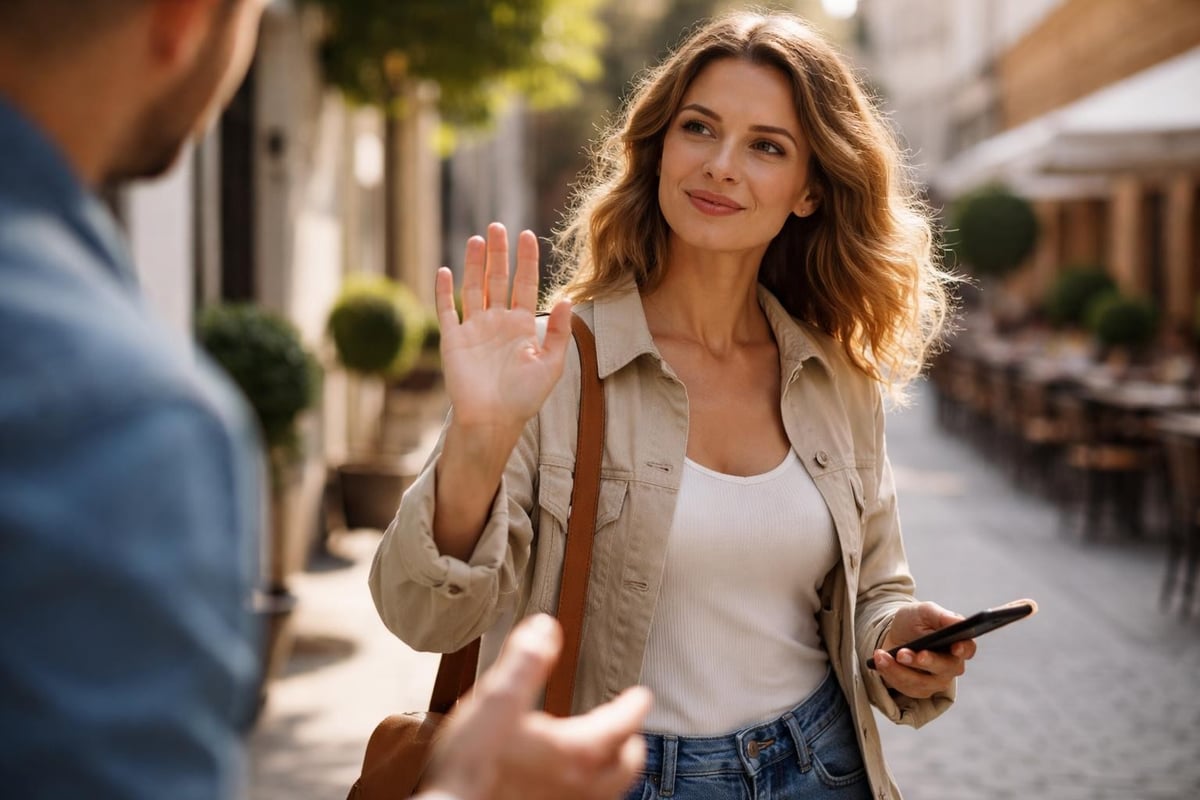
Solo travellers frequently encounter unwanted attention or conversations that have run their course. Having a pre-planned, polite exit line prevents awkward moments and potential safety concerns.
The Early Start Strategy
"I have an early start tomorrow" works in virtually any situation because:
It's believable regardless of the time or day
It doesn't offend the other person
It requires no elaboration or detailed explanation
It's difficult to challenge or argue against
Deploy this line when you want to leave a conversation, decline an invitation, or exit a situation that feels uncomfortable. Say it with friendly finality, not as a question or suggestion.
Alternative exit lines to rotate:
"I need to catch up with someone shortly"
"I'm meeting friends for dinner soon"
"I've got a virtual call scheduled with family"
"I'm not feeling 100% and should rest"
The key is delivering these lines confidently without over-explaining. Adding too many details makes the excuse sound fabricated and invites questions. A simple, direct statement followed by a polite farewell works best.
Practice saying your chosen lines before your trip so they sound natural when needed. The slight awkwardness of preparing these phrases at home is vastly preferable to freezing in an uncomfortable situation abroad.
10. Pack a Comprehensive 'Oh No' Kit
Even meticulously planned trips encounter unexpected challenges. A compact emergency kit transforms potential disasters into minor inconveniences. Smart packing strategies include preparing for common solo travel mishaps.
Essential Kit Contents
Health and comfort items:
Blister pads and foot care supplies
Electrolyte sachets for dehydration or illness
Pain relievers and anti-diarrhoea medication
Antihistamines for unexpected allergic reactions
Small first aid basics (bandages, antiseptic)
Financial and communication backups:
Photocopy of passport and visa documents
Spare debit/credit card stored separately
Emergency cash in local currency and USD
Backup portable charger fully charged
Physical copy of key contact numbers
Technology redundancy:
Spare charging cables and adaptors
Downloaded offline maps for your destinations
Backup eSIM or local SIM card
USB drive with scanned important documents
Portable phone stand for hands-free use
Store this kit in an easily accessible but secure part of your luggage. When you need these items, you'll need them quickly, often in stressful circumstances. Label pouches clearly so you can find specific items without unpacking everything.
Update your kit based on your destination's specific risks. Beach destinations might need sunburn relief, whilst hiking trips require more comprehensive first aid supplies. Research your destination and adjust accordingly.
11. Choose Strategic Accommodation Locations
Where you sleep matters as much as what you do during the day. Beyond the first night's practical choice, your accommodation throughout the trip should balance safety, convenience, and social opportunities.
Accommodation Type |
Solo Travel Benefits |
Considerations |
|---|---|---|
Hostels |
Built-in social scene, affordable |
Less privacy, shared facilities |
Boutique hotels |
Security, comfort, local character |
Higher cost, potentially isolating |
Aparthotels |
Independence, cooking facilities |
Requires more planning, fewer services |
Guesthouses |
Personal attention, local insights |
Variable quality, limited amenities |
Look for properties in neighbourhoods with good evening foot traffic. Completely empty streets at night feel unsafe, whilst moderate activity indicates a lived-in, safer area. Research accommodation thoroughly by reading recent reviews specifically from solo travellers.
Prioritise locations within walking distance of multiple dining options, public transport, and essential services. Being able to reach dinner or return to your accommodation without relying on taxis or ride-shares after dark increases your flexibility and security.
Consider properties with communal spaces if you want social interaction possibilities but private rooms if you value rest and recovery time. Many modern hostels offer private rooms with shared common areas, providing the best of both approaches.
12. Master Basic Local Phrases
Language barriers don't have to limit your solo adventures, but learning a handful of local phrases demonstrates respect and often improves how locals interact with you. You don't need fluency; basic courtesies go surprisingly far.
Essential phrases for any destination:
Hello/goodbye and please/thank you
"Do you speak English?"
"Where is..." (bathroom, station, hotel)
Numbers one through ten and basic pricing terms
"Help" or "emergency"
Download these phrases with proper pronunciation before departure. Apps like Google Translate offer offline language packs that work without data. Practice in your accommodation before attempting them in public.
Local people typically appreciate the effort even if your pronunciation is terrible. The attempt signals respect for their culture and often opens doors that wouldn't budge for tourists who assume everyone speaks English.
Keep a small notebook with written versions of key phrases. Pointing to written words when verbal communication fails can save considerable frustration. This low-tech backup works even when phone batteries die or technology fails.
13. Maintain Flexible Yet Structured Days
One of the paradoxes of solo travel is needing both structure and flexibility. Too much rigidity creates stress when plans inevitably change, whilst completely unstructured days can feel aimless and unfulfilling.
The ideal approach involves anchoring your day with one or two confirmed activities whilst leaving space for spontaneity. Book a morning walking tour or afternoon museum visit, but keep the rest of your schedule open for recommendations you receive or opportunities that arise.
This balanced approach prevents the decision fatigue that can overwhelm solo travellers. When you wake up knowing you have at least one thing planned, the pressure to constantly decide what to do next diminishes significantly.
Build rest time into your itinerary intentionally. Solo travel is exhausting because you're constantly processing new information, making decisions, and remaining alert. Schedule downtime as deliberately as you schedule activities.
14. Pack Smarter With Organisation Systems
Efficient packing transforms how you experience solo travel. When you can find what you need quickly without unpacking your entire bag, daily life abroad becomes significantly easier.
Using quality packing cubes creates a home-base system in your luggage where everything has a designated spot. Colour-code cubes for different item categories: blue for shirts, red for trousers, green for undergarments and socks.
This organisation pays dividends when you're moving between accommodations frequently. Instead of completely unpacking and repacking, you simply transfer cubes from bag to room and back again. The system works whether you're staying somewhere for two nights or two weeks.
Compression cubes reduce volume whilst keeping items wrinkle-free, allowing you to pack lighter without sacrificing essentials. Lighter luggage means easier navigation of public transport, stairs, and cobblestone streets common in older cities.
Designate one small cube or pouch as your daily essentials kit. This should contain items you need regular access to: sunscreen, hand sanitiser, tissues, snacks, pain relievers. Having these items in one easily accessible place prevents the frustration of digging through your main bag constantly.
15. Trust Your Instincts Consistently
Perhaps the most important of all solo travel tips is developing and trusting your intuition. Your subconscious processes environmental cues faster than your conscious mind can articulate specific threats.
If a situation, person, or location feels wrong, leave immediately without worrying about seeming rude or paranoid. The slight embarrassment of overreacting is infinitely preferable to ignoring genuine danger signals. Experienced solo travellers universally emphasise trusting your gut feelings about safety.
Red flags that warrant immediate exit:
Someone showing excessive interest in your travel plans or accommodation
Feeling followed or watched persistently
Locations that become deserted unusually quickly
Invitations that feel pressured or urgent
Anyone attempting to separate you from your belongings
Your safety instincts aren't prejudiced or unfair. They're evolutionary survival mechanisms processing countless micro-signals about safety and threat. Honour them consistently.
Practice assertive body language even when you feel uncertain. Walking confidently with your head up, making brief eye contact, and moving purposefully signals that you're aware and not an easy target. This posture often prevents problems before they develop.
Solo travel should expand your comfort zone gradually through positive challenges, not through ignoring legitimate safety concerns. The difference between courageous and reckless lies in preparation and listening to your instincts.
Solo travel in 2026 offers unmatched opportunities for personal growth and authentic cultural experiences when approached with practical preparation and smart strategies. The essential solo travel tips outlined here create a foundation of security and confidence that allows you to fully embrace spontaneity and adventure. Equip yourself properly, trust your preparation, and step confidently into the transformative experience of exploring the world on your own terms.

Leave a comment
This site is protected by hCaptcha and the hCaptcha Privacy Policy and Terms of Service apply.